Last updated:
- Enforcement is live. As of 2026, a non-compliant driver's license no longer gets you through a US airport checkpoint on its own — you need a REAL ID (the star in the corner) or an acceptable alternative.
- You can still fly without one. A valid passport, passport card, Global Entry card, or military ID all work in place of a REAL ID.
- The new fallback costs $45. Since February 1, 2026, travelers with no acceptable ID can pay for TSA ConfirmID — good for a 10-day window, with 30+ minutes of extra screening.
- The smart fix: enroll in Global Entry ($120 for 5 years, includes TSA PreCheck) and let a travel card reimburse the fee — so it costs you nothing.
- Don't wait. DMV and Global Entry appointment backlogs are the real risk before a summer or holiday trip.
For almost twenty years, "REAL ID" was the airport rule that never quite arrived. The deadline moved so many times it became a punchline — every year or two, a new date, another extension, and your regular driver's license kept working just fine. That era is over. In 2026, REAL ID enforcement is genuinely in effect at TSA checkpoints nationwide, and the agency has added a brand-new twist: a paid workaround for travelers who show up without the right ID. If you fly domestically and you've been ignoring the star on your license, this is the year it finally matters.
The good news is that the sky is not falling. You are not going to be stranded at the airport because your license is a few years old — the rules are more forgiving than the scary headlines suggest, and there are several ways through the checkpoint. But there's a cost to being unprepared now, both in dollars and in time, and there's a genuinely smart way to handle this that most articles on the subject skip entirely. Let's walk through all of it.
Where REAL ID Enforcement Actually Stands
Here's the current state of play. Non-compliant, state-issued driver's licenses and ID cards stopped being accepted as standalone identification at airport security on May 7, 2025, and by 2026 that enforcement is fully in effect at checkpoints across the country. In practical terms: if you walk up to the podium with an ordinary license that isn't REAL ID compliant and nothing else, you're now in the "additional screening" lane rather than sailing through.
A REAL ID-compliant license is easy to spot — it has a star in the upper corner (a star inside a circle, a gold star, or a state-specific bear-and-star in California). If your card has that mark, you already have everything you need for domestic flights and nothing here changes for you. If it doesn't, your license alone will no longer satisfy the ID requirement, and you'll want to read on.
It's worth being precise about what REAL ID is and isn't. It's a federal security standard for state-issued IDs, created by a 2005 law, that sets tighter rules on how states verify your identity before issuing a license. It only governs a few federal activities: boarding domestic commercial flights, entering certain federal facilities, and visiting nuclear sites. It has nothing to do with international travel — for that you've always needed a passport — and it doesn't change anything about driving, voting, or everyday errands. This is narrowly an airport-and-federal-building rule.
"REAL ID isn't a ban on flying without one — it's a rule about which documents count. And more documents count than most people realize."
According to TSA's own reporting, roughly 95–99% of travelers have been presenting a REAL ID or another acceptable document at checkpoints. So the vast majority of the flying public is already covered. The rules below are for the small slice who aren't — and for anyone who wants a better long-term setup than a soon-to-expire license.
What Still Works Instead of a REAL ID
This is the part the panicky headlines bury: a REAL ID is only one of many documents TSA accepts. If your license doesn't have the star, you don't need to rush to the DMV before your next flight as long as you own one of these instead. The full list of acceptable IDs is published by TSA, and the ones most travelers already have include:
- A valid US passport — the ultimate backup, and the one we recommend everyone travel with anyway.
- A US passport card — the wallet-sized, cheaper cousin of the passport book; great for domestic flights and land borders.
- A Global Entry, NEXUS, SENTRI, or FAST card — these DHS trusted traveler cards are accepted ID on their own.
- A US military ID, permanent resident card, or an enhanced driver's license from the handful of states that issue them.
Notice what's on that list: Global Entry. A trusted traveler card doesn't just speed you through customs — it counts as valid identification at the TSA podium all by itself. That single fact is the hinge this whole article turns on, and we'll come back to it, because it quietly solves the REAL ID problem and gives you faster security lines for years on top.

One important clarification, because it trips people up constantly: TSA PreCheck is not a REAL ID, and it isn't a physical ID at all. PreCheck is a screening program — it puts you in the faster lane where you keep your shoes and laptop packed. But you still have to prove who you are with an acceptable document. Global Entry, on the other hand, comes with a physical card and includes PreCheck benefits, which is exactly why it's the more useful of the two to own. We'll put real numbers on that comparison in a moment.
The New $45 TSA ConfirmID Option
Here's the genuinely new development for 2026, and the one generating all the headlines. Starting February 1, 2026, TSA rolled out a paid alternative for travelers who arrive at the checkpoint with no acceptable ID at all — lost wallet, forgotten passport, non-compliant license and nothing else. It's called TSA ConfirmID, and it replaces the old, free (and slow) identity-verification process with a modernized, fee-based one.
The mechanics, straight from TSA's announcement: you pay $45 in advance at TSA.gov/ConfirmID, get an emailed receipt, then show that receipt plus any government-issued ID you do have to the officer. They run a deeper identity check against secure databases — you may be asked personal questions to confirm you are who you say you are. If you pass, you're cleared to fly. The catch is that clearance only covers a 10-day travel period, so a round trip is fine, but it is emphatically not a permanent fix.
Treat ConfirmID for what it is: an emergency parachute, not a plan. If your passport is sitting at home the morning of a flight, $45 and a half-hour of extra screening will very likely still get you on the plane — and that's a genuinely useful safety net that didn't exist before. But building your travel life around paying $45 every trip, plus absorbing 30-plus minutes of extra screening each time, would be a slow, expensive way to live. TSA itself frames it as a last resort, and the fee is clearly designed to nudge you toward getting compliant documents instead.
The Move Most Guides Miss: Make It Free
Here's where nearly every REAL ID explainer stops short. The typical article ends with "so go get a REAL ID at the DMV, or bring your passport" — technically correct, and completely blind to the better play. What most guides skip is that the smartest response to REAL ID enforcement isn't a trip to the DMV at all. It's enrolling in Global Entry and letting one of your credit cards pay for it.
Think about what Global Entry does for the REAL ID problem specifically. The card is accepted ID at the checkpoint on its own, so it fully satisfies the requirement no matter what your license looks like. It includes TSA PreCheck, so you're in the fast lane. It fast-tracks you through customs when you come home from abroad. It's valid for five years. And here's the kicker: a long list of travel cards will reimburse the entire enrollment fee, which means the whole thing effectively costs you nothing.
This is the corrective to the standard advice. Paying $45 for a 10-day ConfirmID pass, or standing in a DMV line for a REAL ID that still expires and still leaves you in the regular security lane, are both worse outcomes than a free-to-you Global Entry card that solves the ID problem and makes every future airport visit faster. If you're going to spend any effort on this at all, spend it here.
How the reimbursement works
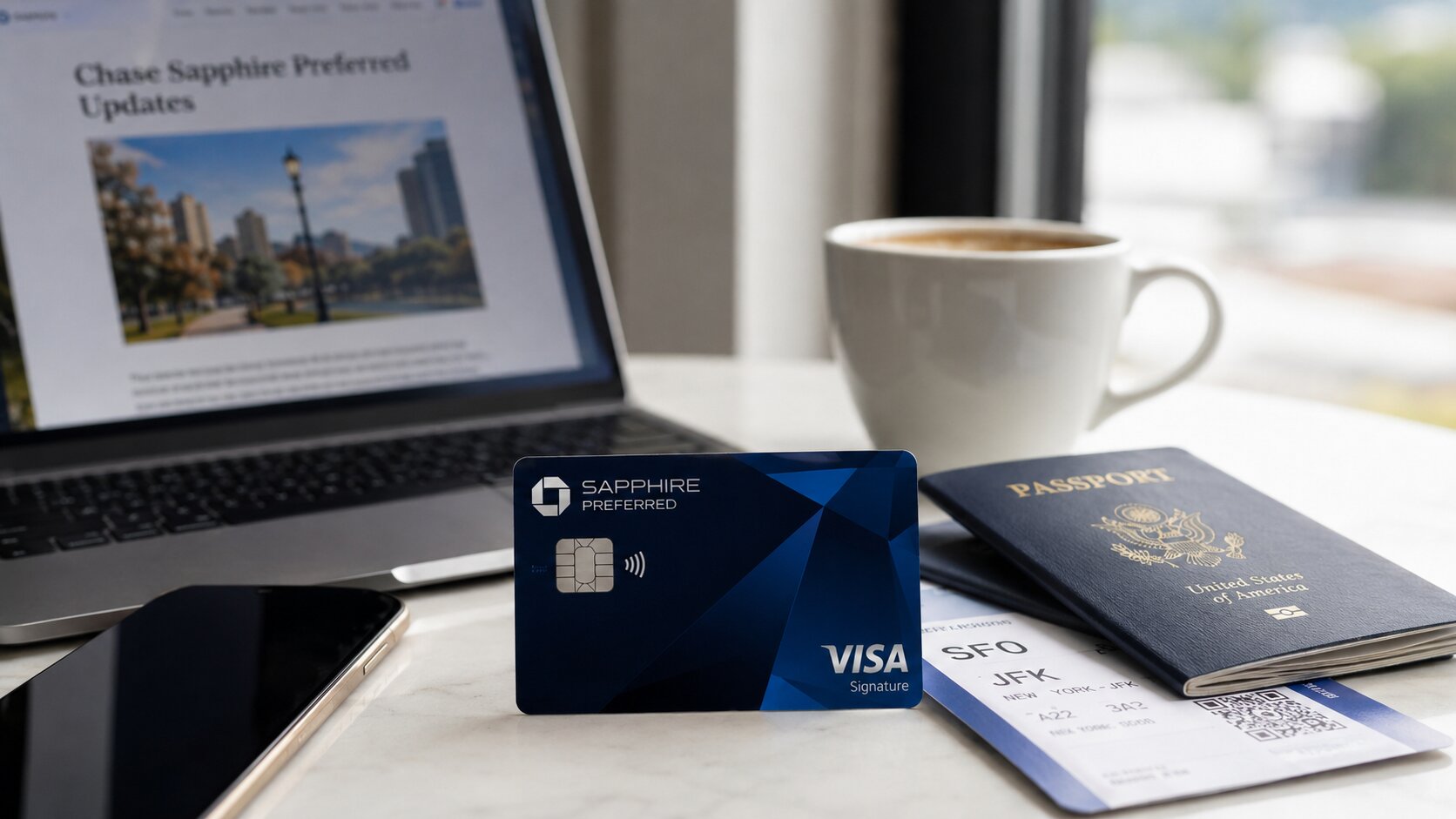
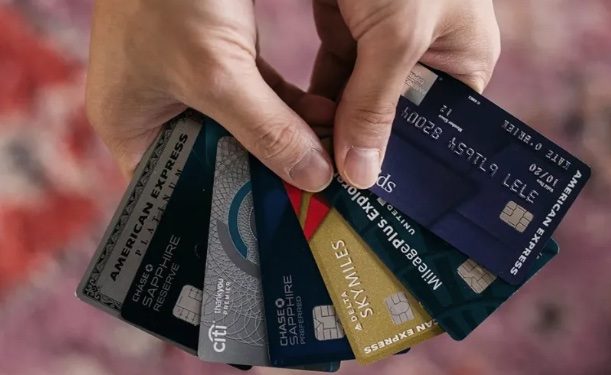
Dozens of travel rewards cards include a statement credit that covers the application fee for Global Entry or TSA PreCheck — you pay the enrollment fee with the card, and a credit posts to wipe it out. One of the most accessible examples is the Chase Sapphire Preferred, which in its 2026 refresh added a credit of up to $120 every four years toward TSA PreCheck, Global Entry, or NEXUS. At a $95 annual fee, it's the lowest-cost way into this benefit for most people, and it earns valuable, flexible points on travel and dining on top.
If you already carry a premium card, you're very likely covered without doing anything new. The Chase Sapphire Reserve and The Platinum Card from American Express both include an application-fee credit for Global Entry or PreCheck as a standard benefit. The point isn't which specific card you use — it's that if you hold almost any serious travel card, this enrollment is already free to you, and using ConfirmID or fretting over the DMV would be leaving that benefit on the table.
Global Entry vs. TSA PreCheck vs. ConfirmID, at a glance
If you're weighing the three routes through the checkpoint, here's how they line up on the things that actually matter — whether each one satisfies the ID requirement, what it costs, and how long it lasts.
| Option | Counts as ID? | Cost | Lasts | Best for |
|---|---|---|---|---|
| Global Entry | Yes — accepted on its own | $120 (often $0 after card credit) | 5 years | Anyone who flies, especially internationally |
| TSA PreCheck | No — it's a screening lane, not an ID | ~$78–85 (often $0 after card credit) | 5 years | Domestic-only flyers who won't go abroad |
| REAL ID license | Yes | Standard DMV license fee | Until license expires | Everyday use; no faster security lane |
| TSA ConfirmID | Substitute when you have none | $45 | 10-day window | Emergencies — lost or forgotten ID |
Your Pre-Flight Checklist
Strip away the noise and this comes down to a few simple decisions based on what's already in your wallet. Run through these before your next trip:
- Star on your license? You're done. Nothing to do — you're compliant for domestic flights.
- Have a valid passport or Global Entry card? You're also fine — bring it, and ignore the license question entirely.
- Have neither, but hold a travel card? Enroll in Global Entry now and let the card's credit cover it. Best long-term outcome, and usually free.
- Have neither and no card credit? Get a REAL ID at the DMV, or keep a passport as your travel document. Don't rely on ConfirmID as your plan.
- Emergency at the airport? ConfirmID's $45 pass is your parachute — budget an extra 30+ minutes and get to the airport early.
REAL ID enforcement finally being real is, honestly, a decent excuse to fix something you probably should have handled years ago. Getting a trusted traveler card is one of the highest-value hours a frequent flyer can spend: it clears the new ID hurdle, drops you into the fast lane at security, and speeds you through customs on the way home — and if you pay with the right card, it's essentially free. Line it up alongside the rest of a smart setup, like knowing the fastest way from the airport into the city when you land, and the whole travel day gets quieter. And once the ID question is settled, the only thing left is where to point it — our guide to the 15 best places to travel in September 2026 covers the month when fares fall hardest and the crowds finally thin. Handle the ID once, and you won't have to think about the checkpoint again for five years.