Last updated:
- Award tickets can now be upgraded. As of February 1, 2026, every Premier member can apply PlusPoints to award tickets — something United never allowed before.
- Card spend now builds PlusPoints for 1Ks. Since January 1, 2026, Premier 1K members can earn extra PlusPoints through spending on an eligible co-branded United card.
- Status thresholds didn't move for 2026 — the same familiar path to Premier as last year.
- The catch: the fixed PlusPoints upgrade chart is being retired for dynamic pricing in February 2027. Known costs become variable, demand-based numbers.
- The play: use the fixed chart aggressively in 2026 — a long-haul business upgrade is a flat 40 PlusPoints today, and that certainty is what disappears.
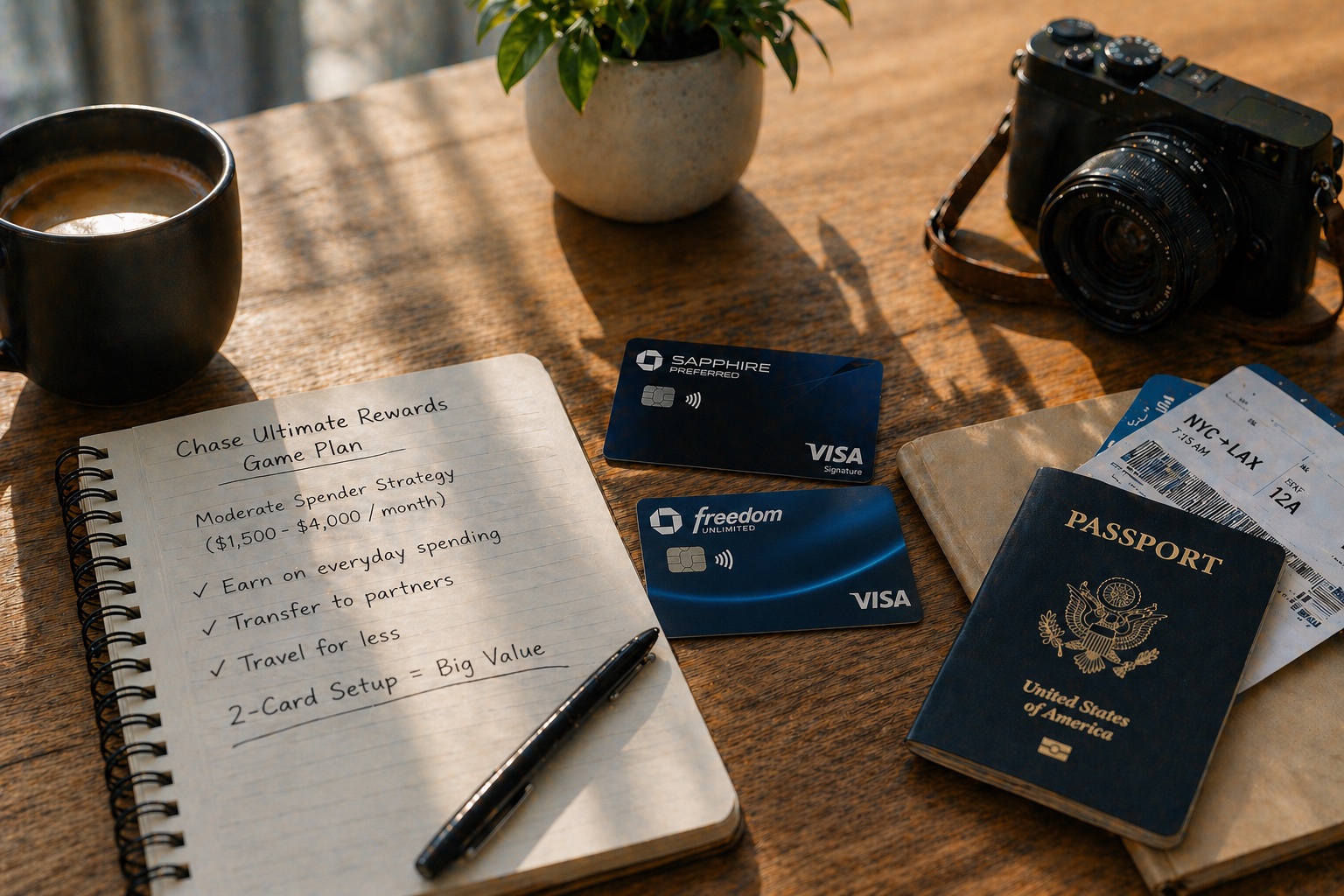
- Chase is the on-ramp: Ultimate Rewards transfer to United 1:1, so a Chase-funded award you then upgrade is one of the cleanest routes to a lie-flat seat.
When an airline announces changes to its loyalty program, the instinct is to brace for bad news — a devaluation, a higher bar for status, another sweet spot quietly killed. United's 2026 MileagePlus update has a piece of that on the horizon, but it also carries something genuinely rare: two changes that make upgrades easier, not harder. If you fly United even occasionally, this is a year where a little attention pays off in lie-flat seats.
The catch — and there's always a catch — is that the window has a closing date stamped on it. United has confirmed that in February 2027 it will scrap the fixed PlusPoints upgrade chart and replace it with dynamic, demand-based pricing. That makes 2026 the last full year you'll know, in advance, exactly what an upgrade costs. This guide covers what actually changed, the precise upgrade numbers while they still exist, the best ways to spend PlusPoints, and the one framing most coverage of this news gets wrong.
What United Actually Changed for 2026
PlusPoints are United's upgrade currency. Premier elite members earn them at status milestones — a Premier Platinum member picks up 40 PlusPoints, and a Premier 1K earns 280 across the year — and then spend them to move from economy into Premium Plus or Polaris business class. For years the system had two frustrating limits. Both were loosened this year.
First, you can now upgrade award tickets. Historically, applying PlusPoints to a ticket booked with miles was locked away as a perk of invite-only Global Services status — book a seat with miles as a regular Premier member and you were stuck in whatever cabin you redeemed for. Starting February 1, 2026, all Premier members can apply PlusPoints and complimentary upgrades to tickets booked with MileagePlus miles, exactly as they would on a cash fare. As The Points Guy reported when United unveiled the 2026 changes, this brings award tickets into parity with paid ones for the everyday flyer — a meaningful quality-of-life win for anyone who books with points.
Second, top-tier card spending now helps build PlusPoints. As of January 1, 2026, Premier 1K members can earn extra PlusPoints through spending on an eligible co-branded United card — spending that previously counted toward status qualification but not toward those bonus PlusPoints. And in a rare bit of restraint, United left Premier status thresholds unchanged for 2026 — the requirements to reach Silver, Gold, Platinum, and 1K are the same as the prior year.
"Airlines almost never make upgrades easier. United just did it twice in one year — right before taking away the one thing that made them predictable."
Put those together and the 2026 version of PlusPoints is the most flexible it has ever been: more ways to earn them, and — finally — the ability to point them at the award tickets that transferable-points collectors actually book. This is a great moment to understand why keeping your points in a flexible currency beats being locked into one airline, because the people who benefit most here are the ones who can fund a United award from a bank program and then upgrade it.
The Fixed PlusPoints Chart — While It Lasts
Here's the part worth screenshotting, because it has an expiration date. For all of 2026, United prices PlusPoints upgrades on a flat, published chart — the same cost regardless of how full the flight is or how much the cash fare runs. That predictability is the whole reason PlusPoints have been so beloved, and it's exactly what dynamic pricing takes away next year.
| Upgrade | PlusPoints | Typical use |
|---|---|---|
| Economy → domestic/short-haul First | 20 | Transcon and domestic hops |
| Economy → Premium Plus (short or long-haul) | 20 | Premium economy on any route |
| Premium Plus → long-haul Polaris business | 30 | Buying up from premium economy |
| Standard economy → long-haul Polaris business | 40 | The headline sweet spot |
| Discounted economy → long-haul Polaris business | 80 | Cheapest fares cost double |
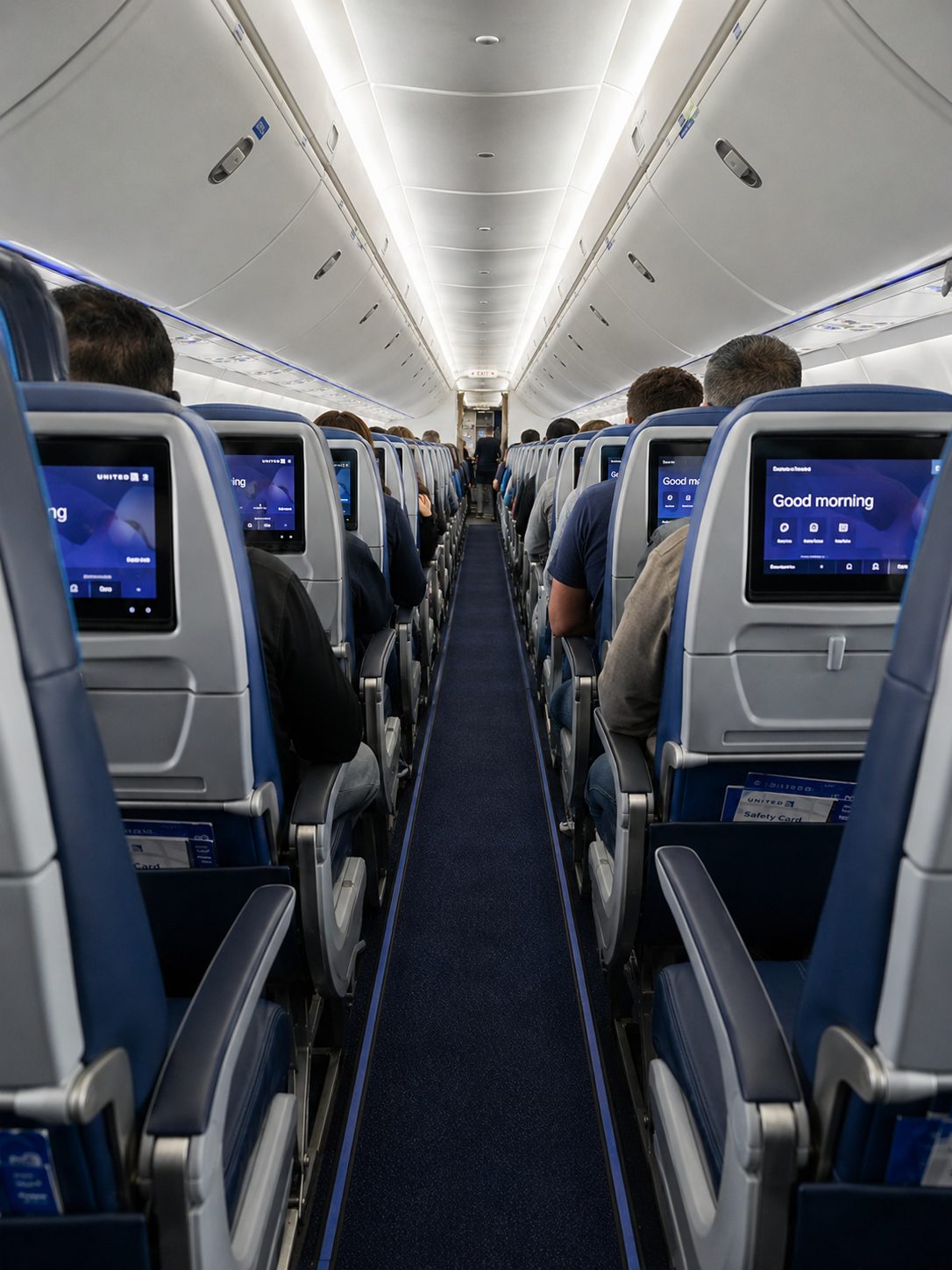
The standout is that 40-PlusPoints jump from economy to Polaris business on a long-haul international flight. On a route where Polaris might sell for several thousand dollars, turning a standard economy seat into a lie-flat suite for 40 PlusPoints is the redemption that makes chasing United status worthwhile. Note the fare-class trap at the bottom of the chart, though: if you book the very cheapest economy bucket, the same upgrade costs 80 PlusPoints — double. Booking a standard economy fare rather than the rock-bottom one is often the difference between a 40- and an 80-point upgrade, so do that math before you buy.
The Catch — Dynamic Pricing Lands February 2027
Now the part most coverage of United's announcement buries or gets backwards. A lot of write-ups framed the 2026 news as a straightforward "here's what's new" list, or led with the doom of dynamic pricing as though the sky were already falling. Both miss the actual shape of it. What most articles skip is that 2026 is a genuine grace period — a full year where United improved upgrades and still lets you price them with certainty — and that certainty is the perishable asset, not the improvements.
Here's what's coming. In February 2027, United will retire the fixed upgrade chart and move PlusPoints to dynamic pricing, where the number of points required varies by route, cabin, timing, and demand — the same demand-driven logic United already applies to award tickets. In practice, that almost always means the upgrades people want most get more expensive. A flat 40 PlusPoints to Polaris on a popular route today could become 60, 80, or more when the system prices to demand. The chart above isn't just information; it's a countdown.
That's why the framing matters. This isn't "act now or lose access" fear-mongering, and it isn't a reason to hoard PlusPoints speculatively either — they carry expiration dates of their own. It's a simple, unusually clear planning signal: if you have a premium-cabin trip you'd realistically take between now and early 2027, the fixed chart is the best pricing you'll see on it. Build the plan around that window.
The Best Ways to Spend PlusPoints This Year
Not all upgrades are created equal. Because the chart is flat, the smartest use is to point your PlusPoints at the cabins where the cash gap is largest — you pay the same 20 or 40 whether the retail difference is $200 or $5,000, so aim high.
- Long-haul economy to Polaris business (40 PlusPoints): the marquee redemption. A transatlantic or transpacific lie-flat suite that might sell for $4,000+ over economy, for 40 points and a standard fare. This is where PlusPoints earn their reputation.
- Economy to Premium Plus (20 PlusPoints): the value play for shorter budgets. On daytime flights or routes without Polaris, buying up to premium economy for 20 points is a reliable, easy-to-clear win.
- Premium Plus to Polaris (30 PlusPoints): if you already hold a premium-economy award or fare, topping up to business for 30 points is often cheaper and clears more easily than jumping straight from economy.
- Domestic transcon first (20 PlusPoints): lower drama, but the wide United transcon recliners on JFK–LAX/SFO are a comfortable use when a long-haul isn't on the calendar.
One more strategic note for 2026 specifically: because award tickets can now be upgraded, a powerful move is to redeem United miles for a saver economy award and then apply PlusPoints on top. United has said elites and co-branded cardholders should see expanded saver award availability, particularly in premium cabins, which makes funding these awards easier than it used to be. If your miles live at Chase, this is where the two-card Ultimate Rewards setup for moderate spenders quietly does its work — the points you earned on everyday spending become the United ticket you upgrade to a suite.
So What Should You Do Right Now?
Match your move to how you actually fly, not to the hype in either direction:
- You fly United long-haul and hold status: plan your premium-cabin trips for the 2026 fixed-chart window. Book standard (not deeply discounted) economy fares so your Polaris upgrade stays 40 PlusPoints, and search upgrade space before committing.
- You bank Chase points: you're perfectly positioned. Transfer to United only when you've found the seat, fund a saver award, and layer PlusPoints on top — a route that only got easier in 2026.
- You're a Premier 1K (or close): remember co-branded card spend can now earn you extra PlusPoints on top of your base allotment, so a United card can pad your upgrade balance without extra flying. (We don't hold a referral link for United's cards, so there's nothing for us to sell you there — just know the lever exists.)
- You rarely fly United: don't force it. PlusPoints only make sense if United is in your regular rotation, and there are better homes for your points if it isn't. The right move might be a stronger program for your routes, like American's AAdvantage and its Oneworld sweet spots.
The honest summary: United handed flyers a good year and put a fuse on it. The upgrades got better, the earning got broader, and the pricing stayed knowable — for now. In February 2027 the certainty goes away. Between now and then, the fixed chart is the best deal on the board, and the people who plan around it will be the ones sitting up front while everyone else is still reading roundups about what changed.